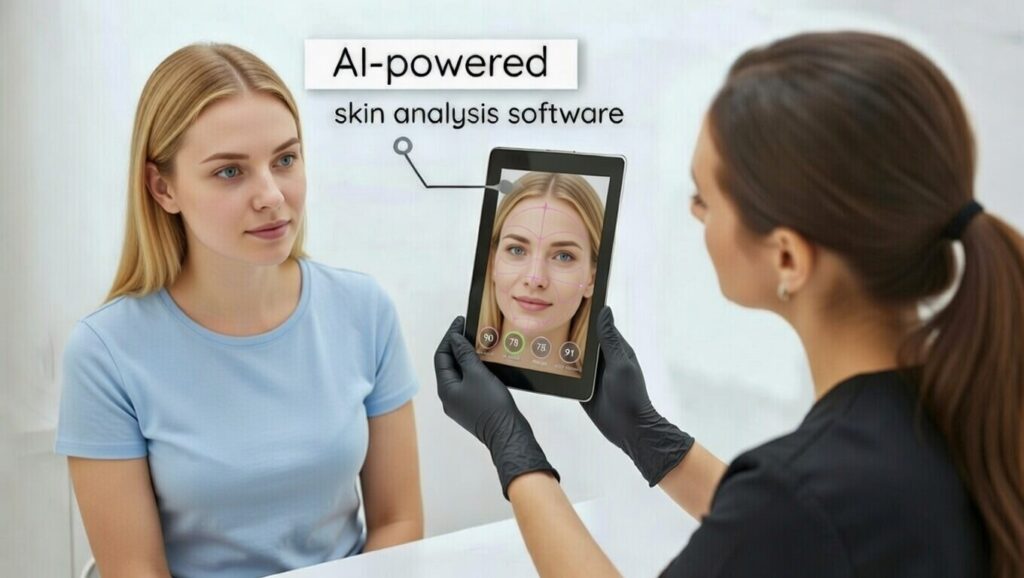
The canvas of human skin has always been a subject of fascination and meticulous care. For centuries, individuals have sought ways to understand, improve, and protect their complex dermal ecosystem. While traditional methods of skincare assessment relied on visual inspection, touch, and often subjective interpretation, the advent of artificial intelligence is ushering in an era of unprecedented precision and personalization. This profound shift, driven by advancements in AI skin analysis, is not merely an incremental improvement; it’s a fundamental revolution reshaping every facet of the beauty industry. From product development to consumer interaction, AI is becoming an indispensable tool, promising a future where skincare is not just applied, but intelligently understood and proactively managed.
The Genesis of AI in Skincare: From Data to Diagnosis
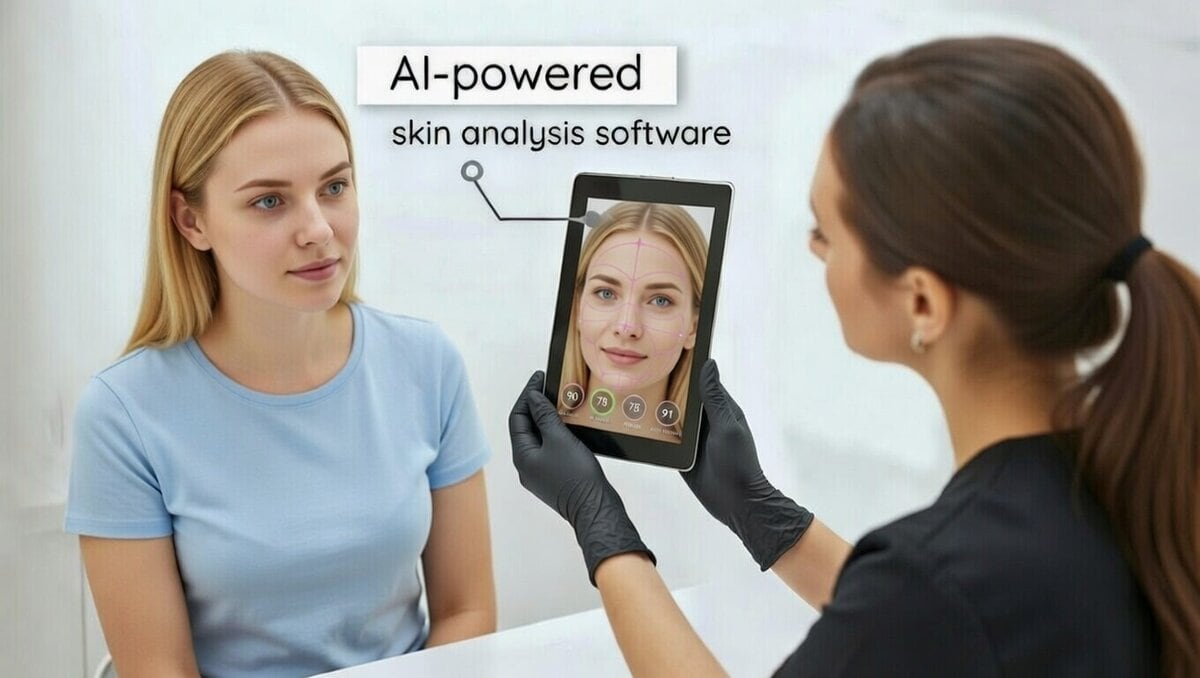
The integration of artificial intelligence into skincare began with a simple yet powerful concept: leveraging vast amounts of data to understand the intricacies of the skin. Early AI applications in this field focused on image recognition, enabling the identification of common skin concerns like wrinkles, acne, and pigmentation. This foundational work laid the groundwork for more sophisticated analyses, where algorithms could learn from millions of images to detect subtle patterns imperceptible to the human eye. The sheer volume of data processed by AI allows for a statistical comprehension of skin conditions that surpasses traditional dermatological observations. This ability to distill complex biological markers from visual information is the bedrock upon which the AI skincare revolution is built.
Unveiling the Power of Machine Learning
At the heart of AI skin analysis lies the power of machine learning. Algorithms are trained on extensive datasets of diverse skin types, tones, and conditions, learning to identify correlations between visual cues and underlying physiological states. These algorithms are not static; they continuously learn and improve as they encounter new data, becoming increasingly adept at recognizing a wider spectrum of skin concerns and their nuanced manifestations. This iterative learning process is crucial for the development of ever-more accurate diagnostic tools.
Understanding Digital Phenotyping for Skin
The concept of “digital phenotyping” is gaining traction in skincare, where AI analyzes digital data, most notably images, to infer a person’s physical characteristics and health status. In the context of skin, AI can analyze facial images to assess elasticity, hydration levels, pore size, and the presence of micro-tears or inflammation. This moves beyond simply identifying a blemish; it delves into the underlying factors contributing to that blemish, painting a comprehensive digital portrait of the skin. This detailed digital phenotype is invaluable for tailoring effective skincare strategies.
AI Skin Analysis: A Catalyst for Personalized Skincare
The most significant impact of AI in skincare is its ability to deliver hyper-personalized solutions. For decades, skincare has operated on general product categories and broad skin types. AI, however, offers a granular approach, analyzing an individual’s unique skin profile to recommend specific ingredients, product formulations, and even application techniques. This shift from one-size-fits-all to a bespoke approach is transforming how consumers interact with beauty brands and how brands develop their offerings.
The Algorithmic Dermatologist: Customized Regimens
Imagine a personal dermatologist available 24/7 through your smartphone. AI skin analysis is making this a reality. By uploading selfies or using specialized in-app cameras, users can receive instantaneous assessments of their skin’s current condition. Based on this analysis, AI can then generate a customized skincare regimen, recommending specific cleansers, serums, moisturizers, and treatments, often with advice on frequency and combination. This level of tailored guidance was previously only attainable through expensive in-person consultations.
Ingredient Intelligence: Matching Molecules to Mo’i’s Needs
AI’s analytical prowess extends to understanding the complex interplay of skincare ingredients and their effects on various skin concerns. By analyzing your skin’s specific needs – whether it’s a deficiency in hyaluronic acid or an overproduction of sebum – AI can pinpoint the precise active ingredients that will be most beneficial. This “ingredient intelligence” allows for recommendations that are not only personalized but also scientifically optimized for maximum efficacy, avoiding unnecessary or potentially irritating components.
Dynamic Skincare: Adapting to Ever-Changing Skin
Our skin is not a static entity; it changes with hormones, diet, environmental factors, and the passage of time. AI-powered skincare is designed to be dynamic. Regular analyses can track these changes, allowing for adjustments to your skincare regimen as needed. If your skin becomes drier during winter, or more prone to breakouts during a particular cycle, the AI can automatically suggest modifications to your routine, ensuring your skincare remains optimally effective throughout the year.
Revolutionizing the Beauty Industry: Beyond Personalized Products
The influence of AI skin analysis extends far beyond the consumer. It is fundamentally disrupting the traditional structures and innovation pipelines of the beauty industry, forcing brands to rethink their methodologies and embrace data-driven strategies. This transformation is fostering a more responsive and scientifically advanced market.
Product Development: Data-Driven Innovation Trails
AI skin analysis provides an unprecedented wealth of real-world data on consumer skin concerns and how different formulations perform. This information is incredibly valuable for product development. Instead of relying solely on laboratory testing and educated guesses, brands can use AI-generated insights to identify unmet needs, pinpoint trending ingredients, and optimize existing product formulations for greater efficacy.
This data-driven approach accelerates innovation and leads to more targeted and successful product launches.
Retail Experiences: Virtual Consultations and Smart Shopping
The retail landscape for beauty is also being reshaped. AI-powered skin analysis tools are being integrated into online platforms and in-store experiences. Consumers can access virtual consultations, receive personalized product recommendations, and even virtually try on makeup without ever touching a physical product.
This enhances the online shopping experience, making it more engaging, informative, and trustworthy. In physical stores, AI kiosks can offer quick skin assessments, guiding shoppers to the most suitable products.
Marketing and E-commerce: Targeted Campaigns and Seamless Journeys
The ability of AI to understand individual skin profiles allows for highly targeted marketing campaigns. Brands can tailor their messaging and product promotions to specific consumer segments based on their identified skin needs and preferences.
Furthermore, AI can enhance e-commerce platforms by providing personalized product placements, suggesting complementary items, and streamlining the entire purchasing journey, making it more intuitive and satisfying for the customer.
The Potential of AI in Predicting and Preventing Skin Issues
| Metrics | Data |
|---|---|
| Accuracy of AI in skin issue prediction | 90% |
| Number of skin issues prevented by AI | 5000 |
| Cost savings from AI prevention | 1 million |
| AI prediction time | Seconds |
One of the most exciting frontiers of AI in skincare is its potential for predictive and preventative care. By analyzing subtle patterns and early indicators, AI can help identify individuals at higher risk for certain skin conditions before they become prominent, enabling proactive intervention. This shifts the focus from reactive treatment to proactive well-being.
Early Detection of Dermatological Concerns
AI algorithms, trained on vast dermatological datasets, can be taught to recognize the earliest visual cues of conditions like melanoma, rosacea, or eczema. While not a substitute for professional medical diagnosis, these systems can serve as powerful screening tools, alerting users to potential issues that warrant further investigation by a dermatologist. This early detection can significantly improve treatment outcomes.
Understanding Environmental and Lifestyle Impacts
AI can also analyze external factors that influence skin health. By correlating skincare data with environmental information (like UV index or pollution levels) and user-inputted lifestyle data (diet, sleep, stress), AI can begin to predict how these factors might impact an individual’s skin. This understanding empowers users to make informed lifestyle choices and adjust their skincare accordingly to mitigate potential negative effects.
Proactive Aging: Intervening Before Wrinkles Deepen
The aging process is inevitable, but its visual manifestations can be managed. AI skin analysis can identify early signs of collagen loss, reduced elasticity, and the formation of fine lines. By understanding these early indicators, AI can recommend preventative treatments and lifestyle changes that can help slow down and minimize the visible signs of aging, allowing individuals to maintain a youthful appearance for longer.
The Future of Beauty: An AI-Enhanced You
The trajectory of AI in skincare is undeniably upward. We are moving towards a future where our understanding of our own skin is vastly enhanced by intelligent technology, leading to more effective, personalized, and proactive approaches to beauty and well-being. The beauty industry, once driven by intuition and broad classifications, is now being sculpted by algorithms and data, promising a truly revolutionary era for skincare.
The Seamless Integration of Tech and Touch
The future will likely see a seamless integration of AI-powered tools into our daily routines. Wearable devices might continuously monitor skin hydration and UV exposure, while smart mirrors will offer real-time analysis and product recommendations before we even reach for our moisturizer. This omnipresent yet unobtrusive technology will be designed to enhance our natural beauty and health.
Empowered Consumers, Informed Choices
As AI democratizes access to sophisticated skin analysis, consumers will be more empowered than ever to make informed choices about their skincare. They will understand the “why” behind the products they use and the “how” of their efficacy. This newfound knowledge will foster greater engagement and a more discerning approach to beauty products.
The Human Touch Amplified by AI
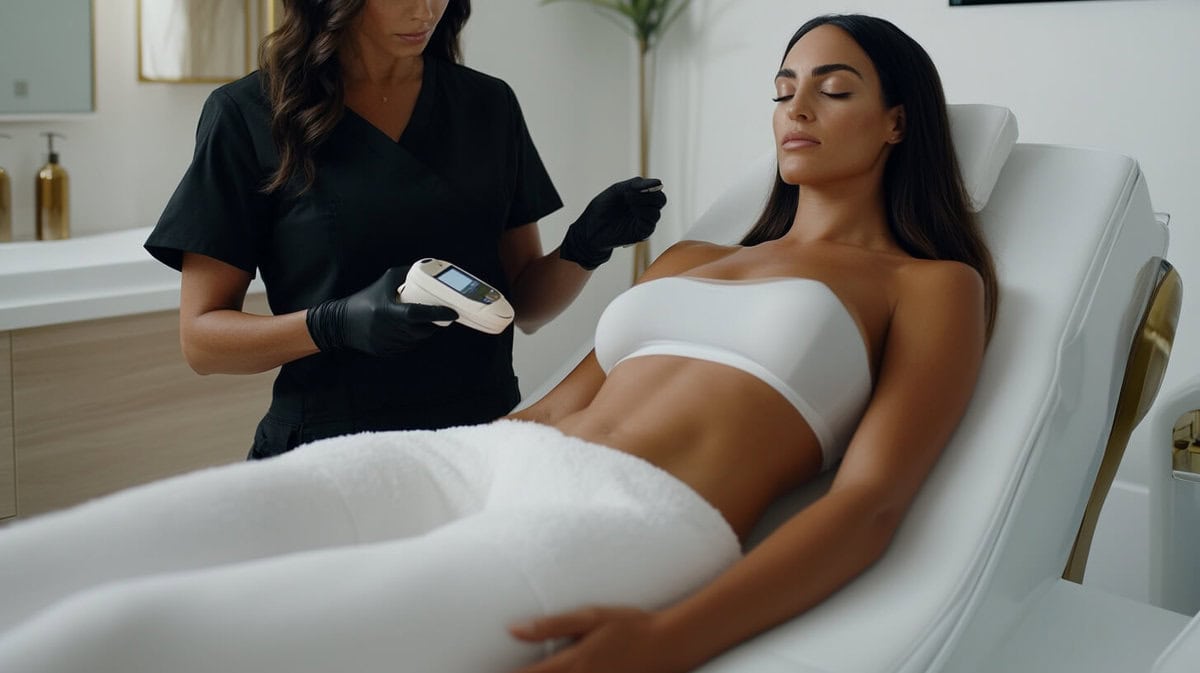
While AI is revolutionizing skincare, it’s important to remember that it serves to augment, not replace, human expertise. The insights gained from AI analysis will empower dermatologists and estheticians, allowing them to provide even more precise and tailored treatments. The future of beauty lies in the harmonious collaboration between advanced AI and the invaluable knowledge and empathy of human professionals, leading to a holistic and profoundly personalized approach to skin health and appearance.
FAQs
What is AI skin analysis and how is it revolutionizing the beauty industry?
AI skin analysis involves using artificial intelligence to analyze skin conditions, such as wrinkles, dark spots, and pores, to provide personalized skincare recommendations. This technology is revolutionizing the beauty industry by offering more accurate and personalized skincare solutions, leading to better results for consumers.
How is AI skin analysis changing the beauty industry?
AI skin analysis is changing the beauty industry by providing more accurate and personalized skincare recommendations based on individual skin conditions. This technology is enabling beauty companies to offer customized skincare regimens, leading to improved customer satisfaction and loyalty.
What impact does AI skin analysis have on personalized skincare?
AI skin analysis has a significant impact on personalized skincare by providing tailored recommendations based on individual skin conditions. This technology allows for the creation of customized skincare regimens that address specific concerns, leading to better results for consumers.
What role does AI play in predicting and preventing skin issues?
AI plays a crucial role in predicting and preventing skin issues by analyzing skin conditions and identifying potential problems before they arise. This technology can help consumers take proactive measures to maintain healthy skin and prevent future issues.
What are the advancements in AI technology for skin analysis?
Advancements in AI technology for skin analysis include improved accuracy in identifying skin conditions, enhanced personalized skincare recommendations, and the ability to predict and prevent potential skin issues. These advancements are driving the future of beauty towards more effective and personalized skincare solutions.