The Peptide Revolution: Unveiling Skincare’s Brightest Future in 2026
The quest for youthful, resilient skin has perpetually driven innovation in the beauty industry. While retinol and hyaluronic acid have long held their esteemed positions, a new wave of powerhouses is rapidly gaining traction, poised to redefine our approach to skincare by 2026: peptides. These remarkable short chains of amino acids, the building blocks of proteins, are not just a fleeting trend; they represent a fundamental shift towards a more natural, intelligent, and effective way of communicating with our skin. Prepare for a deep dive into the exciting world of peptides, exploring their transformative potential and how they are set to naturally boost collagen, repair the skin’s barrier, and revolutionize anti-aging treatments in the years to come.
The Rise of Peptides in Skincare: A Natural Approach to Boosting Collagen
For decades, the Holy Grail of anti-aging skincare has been collagen. This ubiquitous protein provides structural integrity, elasticity, and firmness to our skin. As we age, collagen production naturally declines, leading to visible signs of aging like fine lines, wrinkles, and sagging. Traditional approaches often focused on topical collagen application, but due to the molecule’s large size, its ability to penetrate the skin and elicit significant change was limited. This is where peptides shine.
Understanding the Science Behind Peptides and Their Role in Skincare
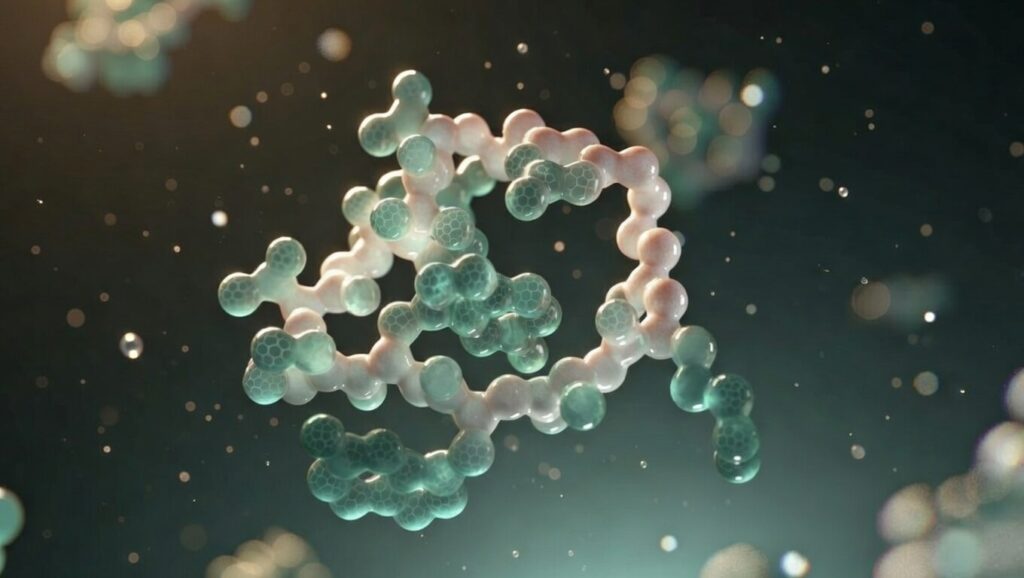
Unlike complete proteins, peptides are small enough to effectively penetrate the outer layers of the skin, where they can act as cellular messengers. Imagine them as tiny keys that unlock specific cellular pathways, signaling to your skin what it needs to do. Some peptides, for instance, are biomimetic, meaning they mimic the body’s natural signaling processes to stimulate collagen production. Others work by inhibiting enzymes that degrade collagen, thus preserving existing stores. This intelligent communication allows for a more targeted and efficient approach to rejuvenating the skin from within. The scientific community is continually uncovering new peptide sequences and their corresponding biological activities, paving the way for increasingly sophisticated and effective formulations.
How Peptides Can Repair and Strengthen Your Skin’s Barrier
Beyond collagen stimulation, a healthy skin barrier is paramount for overall skin health. This outermost layer acts as our first line of defense against environmental aggressors, pollution, and moisture loss. A compromised barrier can lead to dryness, sensitivity, inflammation, and a host of other skin concerns. Peptides play a crucial role in strengthening this vital shield. Certain peptides, known as signaling peptides, can encourage the production of essential barrier components like ceramides, hyaluronic acid, and aquaporins. By bolstering these elements, peptides help to lock in moisture, reduce transepidermal water loss, and enhance the skin’s natural resilience. This not only results in more comfortable and less reactive skin but also creates a more optimal environment for collagen synthesis and overall skin repair.
The Benefits of Using Peptides in Your Skincare Routine
Integrating peptides into your daily skincare regimen offers a multifaceted approach to achieving healthier, more youthful-looking skin. The benefits extend far beyond a simple anti-aging solution, encompassing a holistic improvement in skin function and aesthetics.
Exploring the Different Types of Peptides and Their Effects on the Skin
The world of peptides is surprisingly diverse, with each type offering unique benefits. Understanding these distinctions is key to selecting the right peptide-rich products for your specific needs.
- Signaling Peptides: These are the messengers, instructing cells to perform specific functions like producing more collagen or elastin, leading to improved firmness and elasticity. Palmitoyl Tripeptide-5 is a prime example, known for its collagen-boosting capabilities.
- Carrier Peptides: These peptides transport trace elements like copper and manganese, which are essential for wound healing and enzymatic processes crucial for skin health and repair. Copper peptides are particularly well-regarded for their regenerative and anti-inflammatory properties.
- Neurotransmitter Peptides: Often referred to as “Botox-like” peptides, these work by temporarily inhibiting the release of neurotransmitters that cause muscle contractions, thereby reducing the appearance of dynamic wrinkles. Argireline is a popular example in this category.
- Enzyme Inhibitor Peptides: These peptides prevent the breakdown of beneficial proteins in the skin, such as collagen and elastin, thus preserving their structural integrity and delaying the signs of aging.
By combining different types of peptides in a single formula, skincare brands can create synergistic effects, addressing multiple skin concerns simultaneously for a more comprehensive and powerful outcome.
The Future of Skincare: How Peptides are Revolutionizing Anti-Aging Treatments
The year 2026 promises to solidify peptides’ position at the forefront of anti-aging innovation. The ongoing advancements in peptide research are leading to the discovery of even more potent and targeted sequences, paving the way for personalized skincare solutions. For more information, you can read the full article here.
The Potential of Peptides in Transforming the Skincare Industry in 2026
We can anticipate a significant shift in product formulations, with peptides becoming a cornerstone ingredient in a wider array of skincare products, from serums and moisturizers to masks and even cleansers.
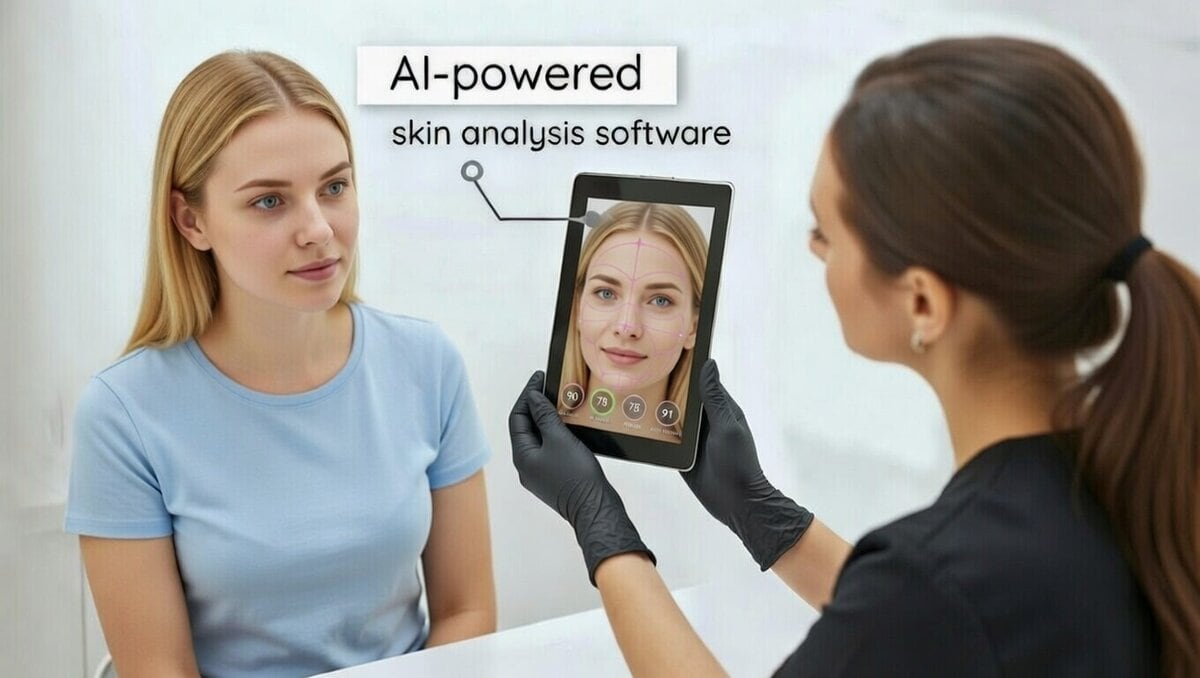
The focus will move beyond simply adding peptides to a product; instead, brands will prioritize stable, bioavailable peptide delivery systems that ensure maximum efficacy. Nanotechnology and liposomal encapsulation will play crucial roles in enhancing peptide penetration and targeted delivery to specific skin layers. Furthermore, the industry will see a rise in customized peptide blends, developed based on individual skin needs identified through advanced diagnostic tools.
This level of personalization will transform how consumers approach their anti-aging routines, moving away from generic solutions towards scientifically tailored treatments.
Incorporating Peptides into Your Daily Skincare Regimen: Tips and Recommendations
| Peptide Type | Benefits | Recommended Usage |
|---|---|---|
| Palmitoyl Pentapeptide-4 | Stimulates collagen production, reduces wrinkles | Twice daily |
| Acetyl Hexapeptide-8 | Reduces muscle contractions, minimizes expression lines | Once daily, in the morning |
| Copper Peptide | Enhances skin regeneration, improves firmness | Once daily, in the evening |
Integrating peptides into your routine is relatively straightforward, and their versatility makes them compatible with most other skincare ingredients. However, a few tips can help maximize their effectiveness.
The Role of Peptides in Promoting Skin Health and Radiance
Peptides are excellent enhancers of overall skin health and radiance. Their ability to stimulate collagen and elastin not only reduces visible signs of aging but also contributes to a smoother, more even skin texture. By reinforcing the skin barrier, peptides minimize inflammation and redness, leading to a clearer and more uniform complexion. Furthermore, some peptides possess antioxidant properties, helping to neutralize free radicals and protect the skin from environmental damage. The cumulative effect of these actions is a complexion that appears healthier, more resilient, and imbued with a natural, youthful glow.
Peptides vs. Traditional Skincare Ingredients: A Comparison of Effectiveness
While traditional ingredients like retinol and vitamin C remain invaluable, peptides offer a unique complementary approach. Retinol is renowned for its ability to accelerate cell turnover and stimulate collagen, but it can sometimes cause irritation. Peptides, generally well-tolerated, offer a gentler yet highly effective alternative or adjunct for collagen stimulation. Vitamin C is a potent antioxidant and brightener, but its stability can be a challenge. Peptides, on the other hand, are often more stable in formulations and can work synergistically with vitamin C to amplify its benefits. The beauty of peptides lies in their ability to “teach” the skin to perform functions naturally, rather than forcing a response. This intrinsic communication often leads to more sustainable and long-lasting results. In 2026, we will likely see an even greater emphasis on formulations that strategically combine peptides with traditional ingredients, leveraging the strengths of each for unparalleled efficacy.
The Synergy of Science and Nature: Peptides as the Future of Skincare
The journey of peptides in skincare is an exciting testament to the power of molecular biology and its application in enhancing human well-being. By understanding the intricate language of our skin at a cellular level, scientists have harnessed the potential of these tiny amino acid chains to communicate restorative and rejuvenating messages. In 2026, peptides will no longer be considered a niche ingredient but a fundamental pillar of effective skincare. Their ability to naturally boost collagen, repair the skin’s barrier, and address multiple signs of aging through intelligent cellular signaling makes them an indispensable tool in our pursuit of healthy, radiant skin. This ongoing revolution signifies a harmonious blend of scientific advancement and a deep respect for the body’s natural regenerative processes, promising a brighter, more beautiful future for all.
FAQs
What are peptides and how do they work in skincare?
Peptides are short chains of amino acids that act as building blocks of proteins in the skin. In skincare, peptides work by signaling to the skin to produce more collagen, which helps to improve skin firmness and elasticity. They can also help repair and strengthen the skin’s barrier, leading to a healthier and more radiant complexion.
What are the benefits of using peptides in skincare?
Using peptides in skincare can help boost collagen production, improve skin firmness and elasticity, repair and strengthen the skin’s barrier, and promote overall skin health and radiance. Peptides can also help reduce the appearance of fine lines and wrinkles, making them a popular ingredient in anti-aging treatments.
How do peptides compare to traditional skincare ingredients in terms of effectiveness?
Peptides are considered to be highly effective in skincare due to their ability to target specific skin concerns, such as collagen production and barrier repair. While traditional skincare ingredients like retinoids and antioxidants also offer benefits, peptides offer a more targeted approach to addressing specific skin issues.
How can I incorporate peptides into my daily skincare routine?
You can incorporate peptides into your daily skincare routine by using products that contain peptides, such as serums, moisturizers, and eye creams. Look for products with specific peptides that target your skin concerns, and be consistent with your usage to see the best results.
What is the future potential of peptides in transforming the skincare industry in 2026?
In 2026, peptides are expected to continue revolutionizing the skincare industry by being incorporated into more advanced anti-aging treatments and skincare products. As research on peptides advances, new formulations and delivery systems are likely to emerge, offering even more targeted and effective solutions for various skin concerns.